
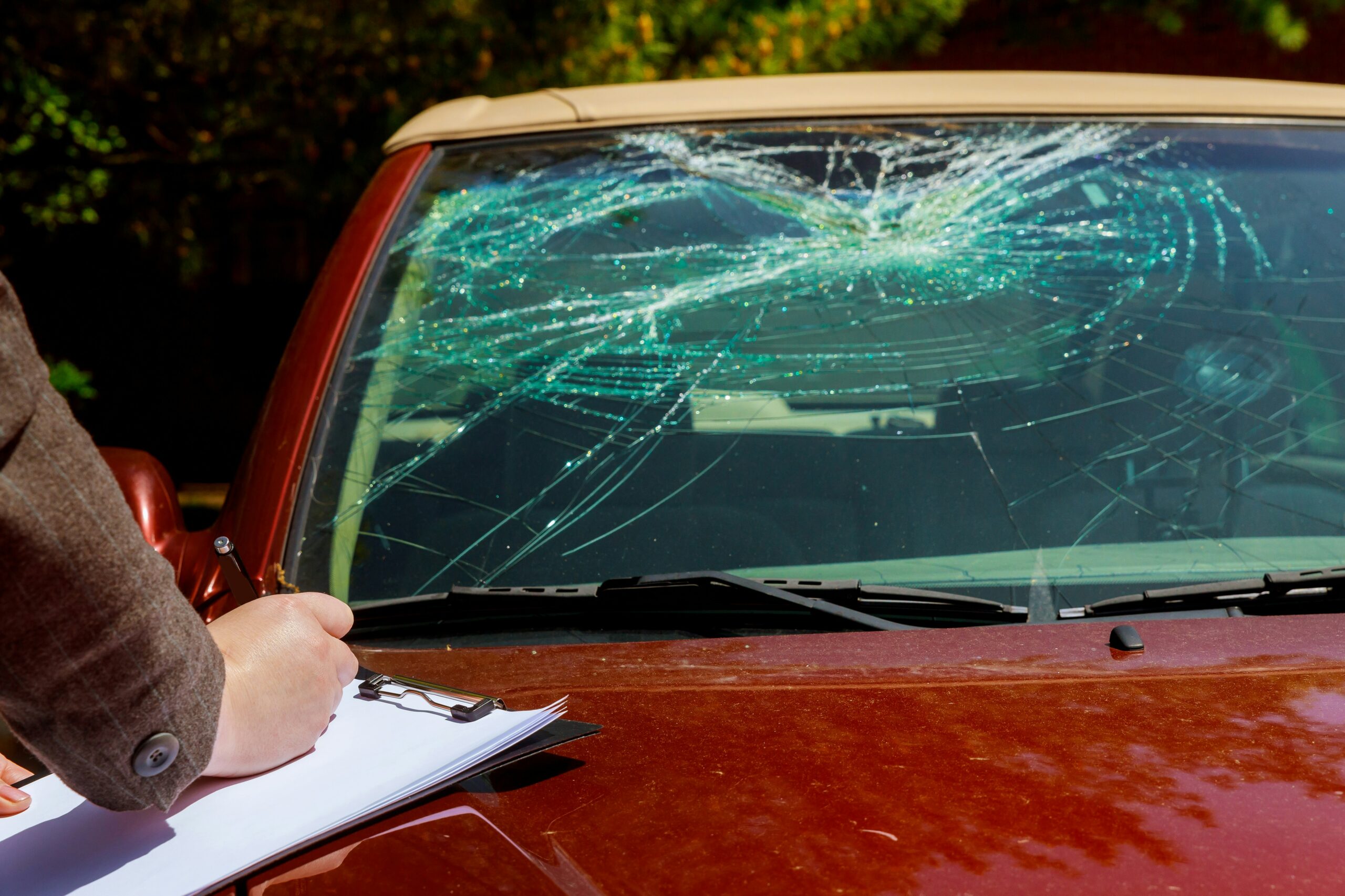
There’s a lot to think about after a car accident in Texas. If someone else caused the collision, you may wonder who pays for the related losses, such as medical bills, lost income, and vehicle damage. Texas at-fault laws apply in situations like these. Understanding how the system works can help you know what to expect when filing an auto accident claim.
Navigating Texas Car Accident Liability
If you sustained injuries in a car crash in the Lone Star State, you will likely have to navigate Texas fault rules. In most cases, individuals seek compensation from the negligent driver’s insurance company. In circumstances involving other liable parties, such as trucking companies, automakers, or manufacturers of defective products, claims are typically filed against the at-fault party and its insurer.
The Basics of Texas Fault Laws
Texas car accident fault laws recognize that an injury victim should not have to bear the cost of an accident that was not their fault. The state follows a fault-based system for traffic collisions, meaning the party or parties responsible for the crash may be held liable for damages.
However, liability isn’t always straightforward, and compensation doesn’t pay out automatically. Insurance companies may dispute your car accident claim and try to push part or all of the blame onto you. It’s wise to consult a car accident attorney if insurance adjusters dispute or try to dismiss your claim.
Whose Insurance Pays for a Car Accident in Texas?
Generally, the driver at fault for causing the accident is also financially responsible for its consequences. Usually, this responsibility is assumed by the company that issued the driver a liability insurance policy. However, your own insurance company may be a source of compensation if you were hurt in a hit-and-run accident or by an uninsured or underinsured driver.
Liability insurance typically covers victims’ medical expenses, lost wages, and property damage up to the policy limits. In some circumstances, the at-fault driver can be held financially responsible for costs in excess of this coverage.
Shared Fault and the 51% Bar Rule in Texas
One of the key parts of Texas’s fault laws applies when an injured person is also partly to blame for a collision. Texas law (Tex. Civ. Prac. & Rem. Code § 33.001) establishes comparative negligence, also called proportionate responsibility.
Under the comparative negligence rule, an accident victim can only recover compensation only for the portion of the accident that was not their fault.
For example, if a court finds the victim 30 percent at fault in a car accident case with $100,000 in damages, they would recover $70,000, a 30 percent reduction based on their share of fault. However, Texas law adds a twist. Victims cannot recover any compensation if they are primarily at fault for the accident — in other words, if they are 51 percent or more to blame.
Utilizing Your Own Insurance Coverage Options
Your own insurance coverage may also help cover the costs of a crash in Texas. Examples include:
- Personal Injury Protection (PIP) – PIP covers you and your passengers regardless of who is at fault for the accident. It will pay for medical bills, lost wages, and other non-medical costs. All policies in Texas include PIP unless the policyholder rejects it in writing.
- Medical Payments Coverage (MedPay) – Like PIP, MedPay covers you and your passengers regardless of fault, although it only pays for medical care. It can also cover you if you’re hit by a car while you’re walking or biking. However, unlike PIP, MedPay coverage must be purchased separately.
- Uninsured/underinsured motorist coverage (UM/UIM) – About one in seven drivers in Texas lacks auto insurance or enough auto insurance to compensate injured motorists fully. UM/UIM coverage can be used for accidents involving uninsured or underinsured drivers, as well as many hit-and-run accidents. Texas insurance providers must offer UM/UIM, and you must reject it in writing. You likely have UM/UIM coverage unless you waived it in writing. Unlike MedPay and PIP, UM/UIM coverage only applies when someone else is at fault for a crash.
Taking Action After a Car Accident in San Antonio
You deserve dedicated legal advocacy and genuine support after a motor vehicle accident in Texas. The San Antonio car accident lawyers at The Patel Firm can review your case, assist with filing your claim, and, if necessary, file a car accident lawsuit on your behalf. Call or contact our auto accident attorneys today for a free consultation.